


There's nothing more stressful than a one-size-fits-all rehabilitation plan when you're trying to recover from a personal injury. It's a stressful enough time as it is, and you shouldn't have to settle for a cookie-cutter approach that doesn't take into account your specific pain or the nature of your accident.
What you need is a recovery path built for your body, achievable through goal-focused personal injury treatment. In this blog, we'll explain how targeted care works by looking at the key elements that create a more efficient path to your recovery milestones.
Rather than happening all at once, recovery unfolds in stages. Treatment focused on recovery goals uses phased protocols to align short-term protection with long-term healing milestones.
One of the most common approaches is soft tissue injury management, where clinicians follow two evidence-based phases.

Chiropractic care complements traditional medical treatment in personal injury recovery. By improving spinal alignment, reducing nerve irritation, and restoring movement, it’s much easier for patients to manage their pain and actually move again.
It’s a powerful tool for recovery, but we’ve found that it works best as part of a broader rehab plan rather than a standalone solution.
For active individuals, functional recovery is crucial. Physical therapy is a cornerstone of personal injury recovery, helping you get your strength and independence back. Specific techniques, such as trigger-point dry needling or electrical stimulation, help reduce pain, improve circulation, and stimulate your muscles.
These methods are most effective when integrated into a care plan tailored to your recovery goals.
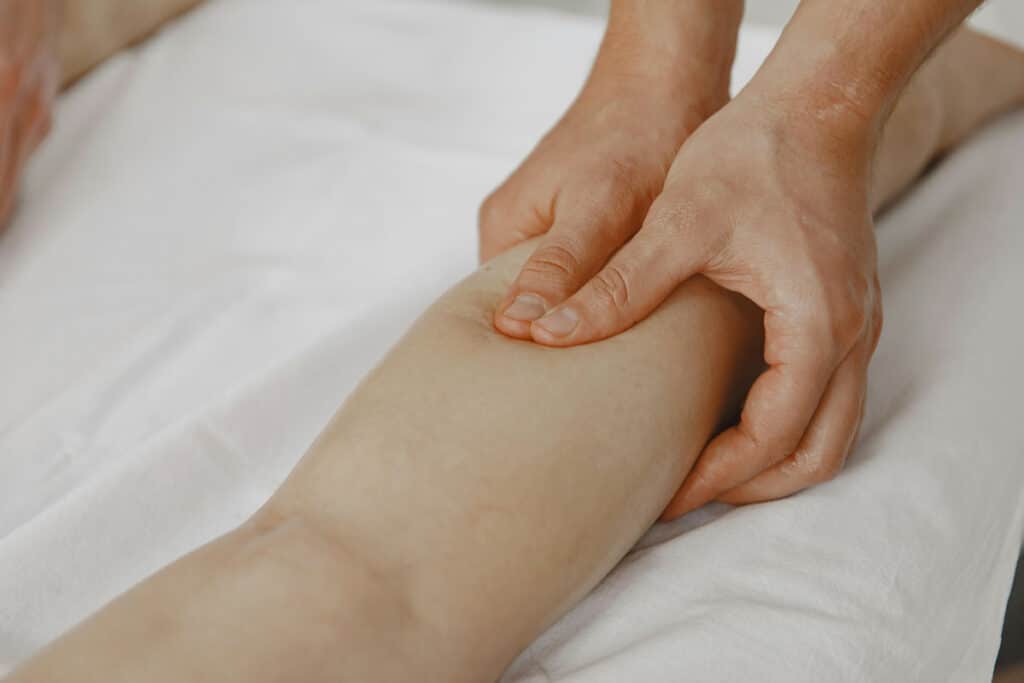
Manual therapy employs hands-on techniques, such as joint mobilization and massage, to target those stiff areas and ease tension in your muscles and joints. When recovering from an injury, these methods are great for cutting down pain and helping you move more freely.
It’s also a huge help for calming the nervous system, increasing the chances of positive rehabilitation outcomes.
Occupational therapy helps you navigate life after injury through personalized, guided injury rehabilitation. From cognitive support through targeted exercises, it’s designed to help patients confidently return to daily activities.
Recovery is also about giving your body the right fuel to heal. A balanced diet rich in protein, omega-3 fats, and anti-inflammatory foods, paired with proper hydration, strengthens your immune system and builds the foundation you need for rehabilitation.
Without enough rest, inflammation stays high and progress slows, making the whole rehabilitation process feel much harder. Sufficient sleep means you're essentially letting your body's natural recovery system do its job, helping you manage pain and bounce back faster.
If constant pain makes staying active difficult, pain management should be included as a core part of your personal injury recovery plan. Pain management strategies such as heat or cold therapy, mindfulness practices, and acupuncture help dull the ache and keep you mobile, so you don’t lose progress during your downtime.

Recovering from an injury is just as much a mental challenge as it is a physical one. It’s easy to lose motivation, but when you have a structured, objective-based therapy combined with systematic goal setting, there is direction and motivation.
Recovery is a long road ahead, but this approach can help patients hit measurable milestones along the way, giving them a much-needed confidence boost.
It’s hard for the body to heal when stress is in the way. It keeps you awake and drains your immune system when you need it most. Incorporating stress-relief techniques into goal-focused personal injury treatment in Burbank, such as counseling and journaling, helps your body get the green light to heal faster and more smoothly.
Let's view goal-setting as a roadmap rather than a set of rigid rules. They're designed to build momentum without adding stress or pressure to your body. One of the most effective ways is to use the SMART framework.
Yes. Unlike general treatment plans, goal-focused care is significantly more efficient. It centers your recovery on clear, measurable outcomes, eliminating guesswork. By focusing on specific improvements, supporting consistency, and tracking progress, this approach keeps you motivated, facilitating a more efficient healing process.
Healing is personal. Recovery time with a goal-focused personal injury treatment is highly individual and depends on the injury type and severity, your overall health, and your commitment to the treatment plan. Steady progress and support are essential.
Goal-focused treatment is highly effective for a wide range of physical conditions. We commonly apply this approach to personal injuries, athletic or sports-related trauma, work-related repetitive strain, and recovery from car accident injuries.
In most cases, yes. Most insurance plans do cover personal injury treatment at our Burbank practice, though specific coverage varies by policy. We recommend confirming your coverage with your insurance provider, or you can call our office at (877) 883-3674 to clarify your options. We're available to assist you on Tuesdays and Thursdays from 09:00 am to 06:00 pm.
Every injury is unique, so its treatment should be, too. While the circumstances of the injury differ, the principle behind successful healing remains constant: progress is more effective when guided by clear, achievable goals.
At More Life Chiropractic, Dr. Bijan Nowzari provides the structured, goal-focused personal injury treatment care needed to transform your recovery into optimal wellness, all at a pace that values your needs.
Book a consultation with us today to discuss how we can support your return to optimal health.
Discover a chiropractic experience designed to help you move better and feel stronger. At More Life Chiropractic, your wellness is our priority. Dr. Nowzari provides quality care and personalized solutions to help you achieve optimal wellness. Schedule your appointment with our chiropractor in Burbank today!