

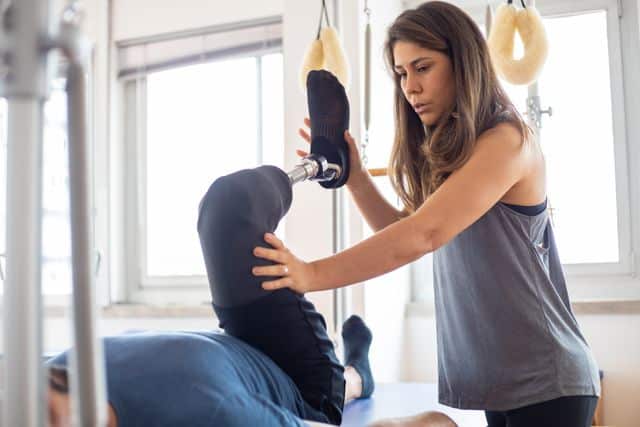
Two people can describe the same type of hip pain yet have completely different problems causing it. That aching discomfort won't wait around for a convenient time to clear up, and ignoring it only gives the underlying damage a head start.
Some cases settle with conservative hip pain treatment in Burbank, while others need direct medical intervention before mobility takes a permanent hit.
Understanding what’s causing your hip pain will help identify the appropriate treatment that provides much-needed, lasting relief. Knowing whether your hip pain stems from a car accident, wear and tear, or another cause is always the first step toward effective recovery.
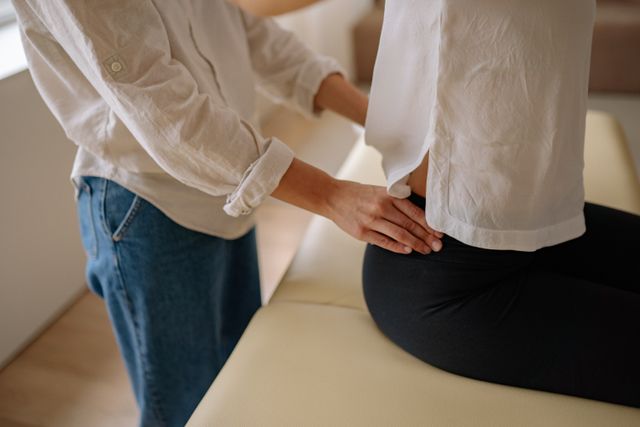
Accident-related hip pain typically has a clear before-and-after; you know how your body felt before your crash, and how it feels afterward. However, symptoms don’t always appear right away; pain can be delayed for 24–72 hours as adrenaline masks early discomfort.
The challenge is identifying what’s causing your pain, as it may stem from injuries to your joints, muscles, tendons, and nerves.
Car crashes place sudden, intense force on your pelvic area. For one, your seatbelt does its job by forcibly pulling on your lap and hips. Your legs also brace against the floorboard, which channels some of the impact straight into your pelvis. Meanwhile, a side-impact collision bends and twists your pelvis and lower back sideways.
Together, these mechanisms cause various aches and discomforts around your hips, such as:
Delayed symptoms are often due to adrenaline (also known as epinephrine). Your body's stress response to the accident causes an adrenaline rush that temporarily numbs your pain receptors and can mask discomfort for several hours, not just the first hour.
This is why many people involved in minor accidents don’t seek help right away. However, even mild hip injuries can worsen if left unchecked. Once the adrenaline wears off, inflammation sets in. The surrounding muscles begin to tense up, quickly triggering stiffness and less mobility that may progress over the next 24–72 hours.
While symptoms like pain and movement restrictions are common across the board, they often originate from different injuries that require different post-accident hip pain treatments.
By contrast to pain from car accidents or sports, degenerative hip pain involves no crash, game, or any single moment you can point to as its origin. Rather, it arrives gradually, often worsening over months or years.
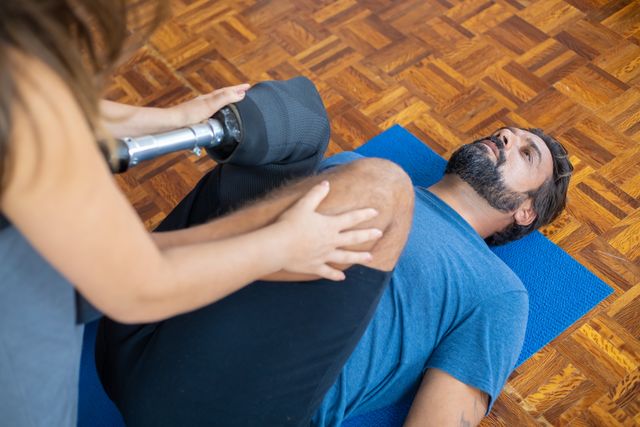
Hip osteoarthritis is the progressive breakdown of the cartilage (the smooth surface allowing the ball to glide in its socket) lining your hip joints. As it thins, movement creates a grinding friction that leads to inflammation and a limited range of motion.
Research shows hip osteoarthritis has become far more common in the U.S. over the past few decades: prevalence rose by about 25% between 1990 and 2019. Women tend to experience it more often than men, and rates vary by region, with the Northeast reporting the highest numbers.
These findings highlight why hip osteoarthritis is an increasingly common reason behind pelvic pain and discomfort.
Not all instances of hip pain stem from your pelvic area. Medical authorities such as Cleveland Clinic note that degenerative disc disease in your spine may radiate pain to your buttocks.
If a spinal disc (the jelly-like cushion between pairs of vertebrae) in your lower back breaks down, your backbone can shift and irritate nearby nerve roots, producing referred pain that mimics hip joint problems.
Degenerative conditions may induce symptoms that don’t always appear in acute injuries:
In addition to sports injuries and degenerative wear, several conditions can also produce pain in your hips.
Sciatica occurs when your sciatic nerve, which travels from your lower back through your pelvis and down each leg, becomes irritated or compressed. Pain travels along these areas, alongside neurological symptoms like:
The SI joints connect your sacrum to your pelvis and only move slightly. When one becomes irritated, your back, buttocks, or hips can become painful. Climbing stairs and rolling over in bed tend to aggravate it.
The piriformis is a muscle in each buttock that sits directly over your sciatic nerve. When it spasms or becomes inflamed, it presses on the nerve and triggers symptoms like pain in your lower back and pelvis, and down each leg.
While many injuries and conditions that cause hip pain don’t necessarily require urgent care, some warrant an ER visit.
You may have a cracked or broken bone around your pelvic area when you can’t bear weight, a leg looks shortened or rotated outward, or your groin is constantly and severely painful.
Hip fractures are a medical emergency, especially in older adults. According to a 2019 study, more than 318,000 emergency hospitalizations in the U.S. were due to hip fractures among people aged 65 and above.
Fever alongside worsening hip pain that keeps you up at night, combined with unexplained weight loss or night sweats, may require emergency hip pain treatment in Burbank. Infections and bone diseases are uncommon, but it’s better to be safe than sorry and rule them out early than risk serious complications.
Call 911 or go to an emergency department if you’re experiencing:
Keep in mind that manual therapies like chiropractic care aren’t appropriate until a physician rules out emergency conditions.
When you see a chiropractor for hip pain symptoms, a thorough evaluation is generally the first course of action. At More Life Chiropractic, Dr. Bijan Nowzari works through three stages:
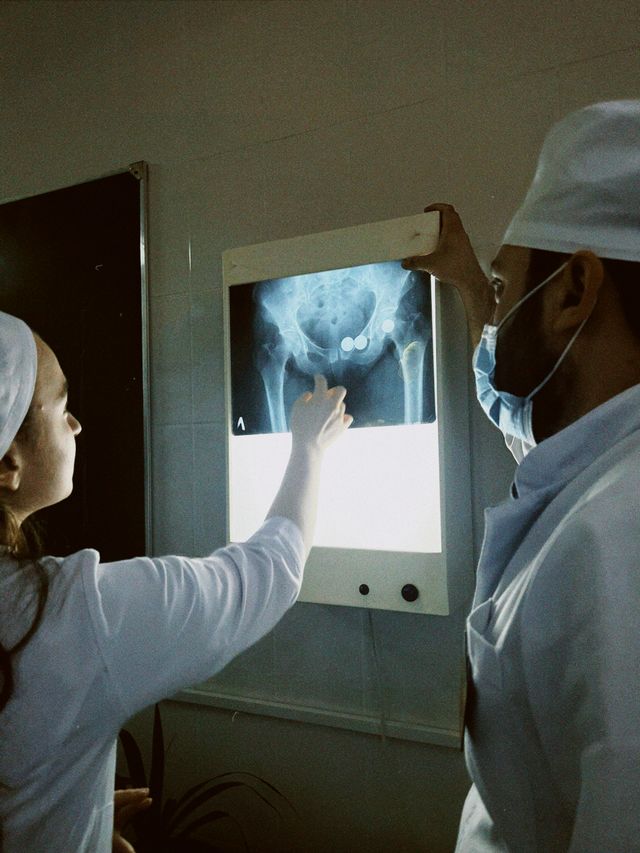
If these evaluations indicate any fractures, infections, or diseases requiring surgery, Dr. Nowzari may refer you to a physician to begin your recovery promptly, only providing manual therapies and rehabilitation once you’re cleared.
More Life Chiropractic builds each treatment plan based on your injury, its severity, and what caused it to allow you to heal optimally.
Post-accident care prioritizes calming inflammation, restoring joint mobility, and rebuilding strength.
Sports injury treatments not only address your condition but also improve your performance, so you can return to your sport as a better athlete.
Degenerative hip pain, which is often caused by osteoarthritis, isn’t curable since lost cartilage won’t grow back. That said, providers like More Life Chiropractic can help you manage your symptoms so you can continue to live fully and comfortably.
Yes. Even low-speed collisions can strain soft tissues in your hips or irritate your SI joints. Left unchecked, these minor problems may create compensatory patterns that lead to chronic pain, stiffness, or instability over time.
No provider can guarantee that your hip pain will never return. Still, chiropractic care helps reduce the likelihood of recurrence by restoring normal joint function and correcting misalignments that overload your hips. It is most effective when combined with exercise and lifestyle changes.
Hip pain from mild strains often improves within a few weeks. Meanwhile, overuse injuries may take longer, and degenerative conditions require long-term, consistent care. Recovery timelines vary depending on age, severity, and adherence to therapy. Dr. Bijan Nowzari will provide you with an estimated timeline during your initial consultation to set your expectations.
In most cases, no; hip pain often responds well to conservative care. Surgery is only appropriate for fractures, severe tears, and other critical injuries. Advanced osteoarthritis or labral tears may also require surgical evaluation if conservative care fails. Your first consultation and assessments with Dr. Nowzari will determine whether your condition requires conservative or surgical intervention.
You can reduce your risk of future hip injuries by building hip and glute strength through exercise, warming up before physical exertion, and gradually progressing your training load. If sitting for long periods, take regular breaks to prevent your hip flexors and glutes from weakening. Maintaining a healthy weight and practicing good posture also reduces stress on your hips.
Hip pain is a symptom, not a condition. It can stem from a car crash, a sports injury, or a disease, and each case responds differently to treatment. This is why an accurate diagnosis is the first step to any professional care plan.
At More Life Chiropractic, Dr. Nowzari begins every hip pain treatment in Burbank with a comprehensive evaluation. From there, he develops a personalized treatment plan that may include chiropractic care, physiotherapy, and other modalities to address the underlying cause of your pain and help you live more comfortably.

Ready to receive results-driven care? Skip your search for a “chiropractor near me” and reach out to More Life Chiropractic. Dr. Nowzari, our trusted chiropractor in Burbank, will walk you through your options and answer your questions to help you confidently begin your recovery journey. Book a consultation today!