

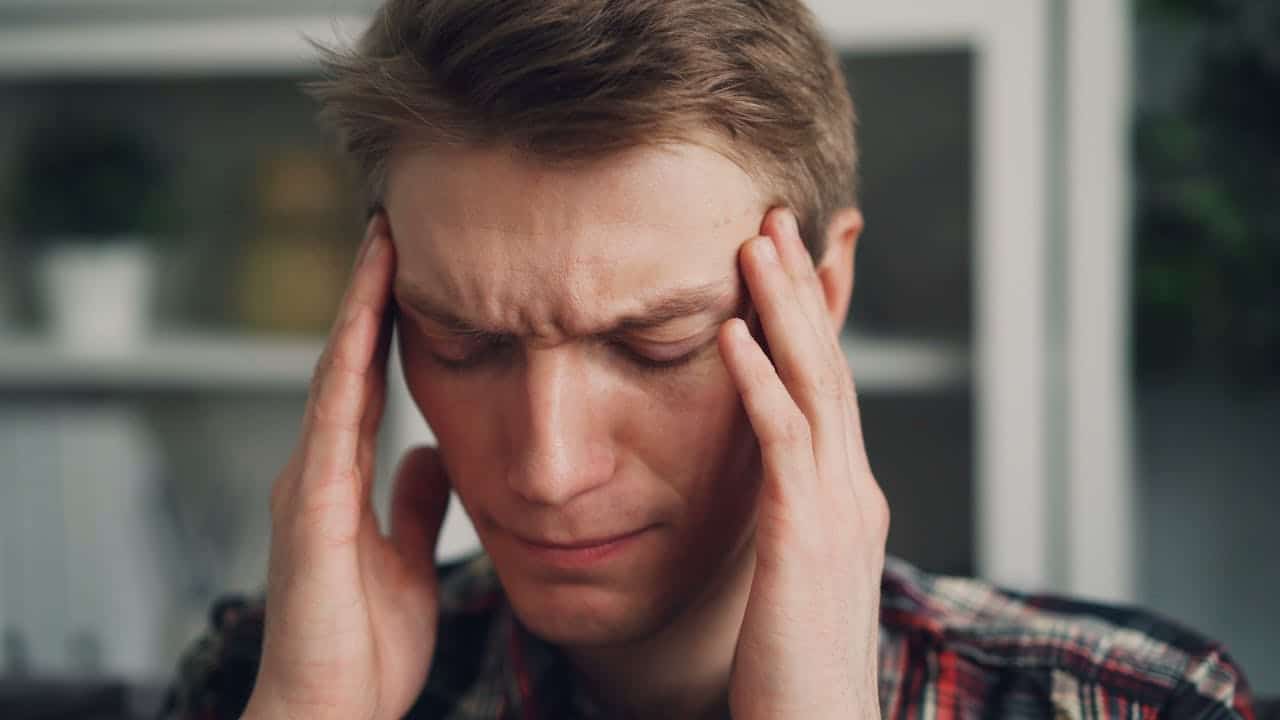
You’ve likely already tried every logical fix: cutting back on caffeine, reducing your screen time, and keeping a bottle of ibuprofen within arm’s reach. Despite these efforts, your headaches keep returning, making it impossible to focus or enjoy your evening.
When the usual remedies fail, the root of your pain isn’t actually in your head; it’s in your neck.
You’re not alone in this. Many adults in their 30s and 40s experience these cervicogenic headaches without realizing it. This is a structural issue that requires more than a chemical fix, and no amount of aspirin can resolve its underlying misalignment.
If you’re looking for headache and migraine treatment in Burbank, recognizing that your neck is the source shifts your focus toward a strategy that actually works. You move beyond the need for a stronger pill toward sustainable solutions.
A cervicogenic headache is a secondary headache caused by dysfunction in the joints, muscles, and nerves of your upper neck. You feel the pain in your head, but the problem’s source comes from your cervical (neck) spine.
This distinction matters because treatment differs from that of a migraine or a tension headache. Some of its common triggers include:
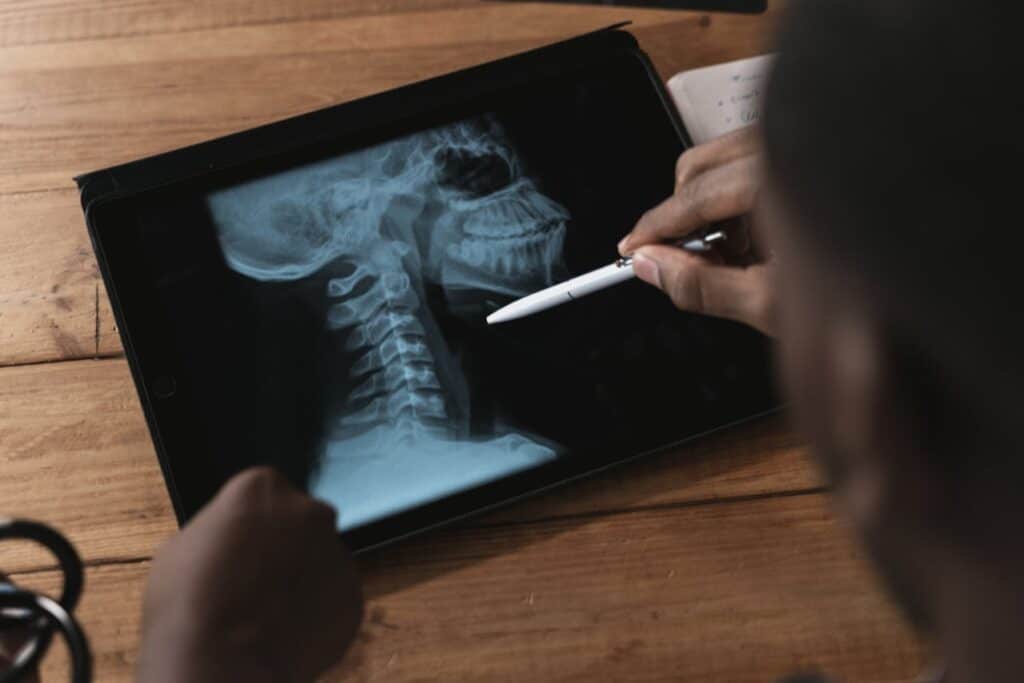
Cervicogenic headaches usually start in the area where your neck meets the back of your head. From there, it radiates to your temple, forehead, or behind an eye. If you can put your finger on a specific part at the top of your neck where pain originates, that’s a strong indicator that your upper cervical spine is involved.
Meanwhile, tension headaches and migraines typically present with diffuse pain that’s harder to trace.
Migraines occur on one side of the head (unilateral), but they typically switch sides between or within episodes. This is because migraines are neurological conditions that result from dysfunction within your nervous system.
Meanwhile, cervicogenic headaches tend to stay unilateral in all episodes. Pain may appear in your temples or behind one eye and stay there, suggesting that something fixed in place, like a problem in your neck, is causing the headache.
This is a telltale sign of a cervicogenic headache. If turning your head or looking down at your phone intensifies your pain, your neck is almost certainly the culprit. Many patients notice this connection during long commutes or when looking at a high shelf.
Reduced neck mobility is also a common symptom. You might find it difficult and painful to check your blind spots while driving, or feel a pulling sensation when you try to rotate your head.
Cervicogenic headaches often present subtle symptoms before they fully manifest. Stiffness is a common early warning sign, accompanied by tightness in your upper shoulders or a dull ache at the base of your skull.
Some patterns to watch for include:
Referred pain is a common indicator of cervicogenic headache. The nerves in your upper cervical spine share pathways with nerves in your face and head, including those around your eyes.
Patients describe this sensation as a deep, pressing ache behind the eye instead of a sharp pain. You might mistake it for a migraine or a sinus headache, especially when it occurs alongside photosensitivity, so getting a thorough evaluation is essential.
A comprehensive approach to cervicogenic headache and migraine treatment starts with a thorough evaluation. This process typically involves:
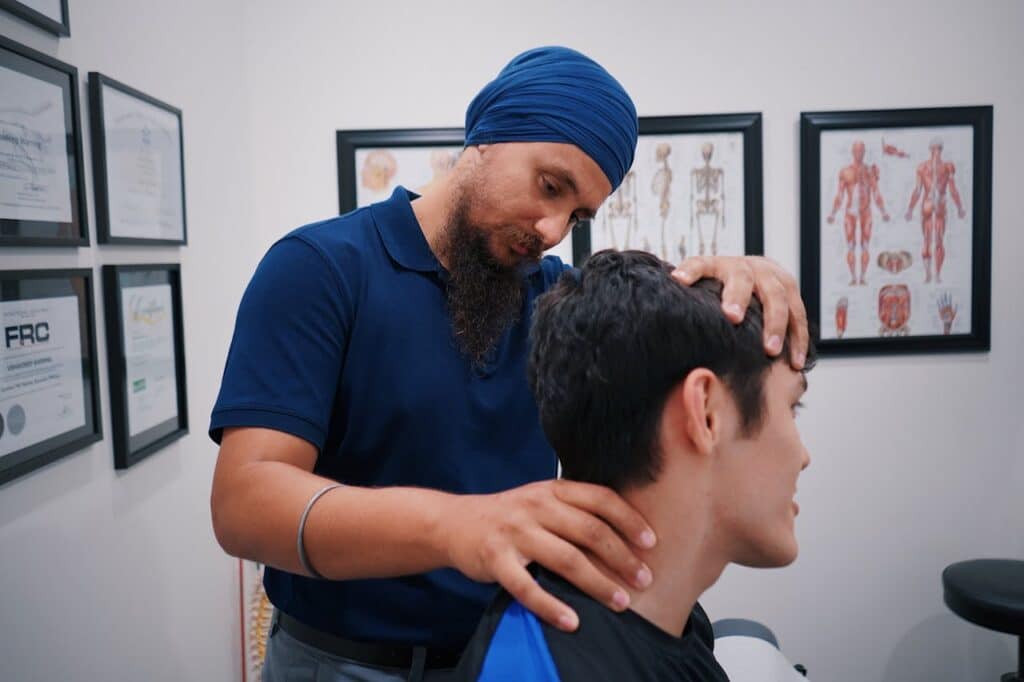
Once your healthcare provider identifies your headache, treatment can finally begin. Chiropractic headache relief through slow, gentle adjustments is a common treatment for misalignments in your cervical spine.
Soft tissue therapy and myofascial release address muscle tension that’s irritating surrounding nerves. Likewise, rehabilitative exercises strengthen the tissues in your neck, ensuring you aren’t as likely to develop cervicogenic headaches in the future.
While clinical care addresses the underlying cause of your pain, your daily habits are fundamental to how often they return. Consider making these adjustments:
Some headaches respond well to rest and self-care. However, others signal a problem that needs professional evaluation to prevent further complications. Schedule a consultation with Dr. Bijan Nowzari at More Life Chiropractic if you experience:
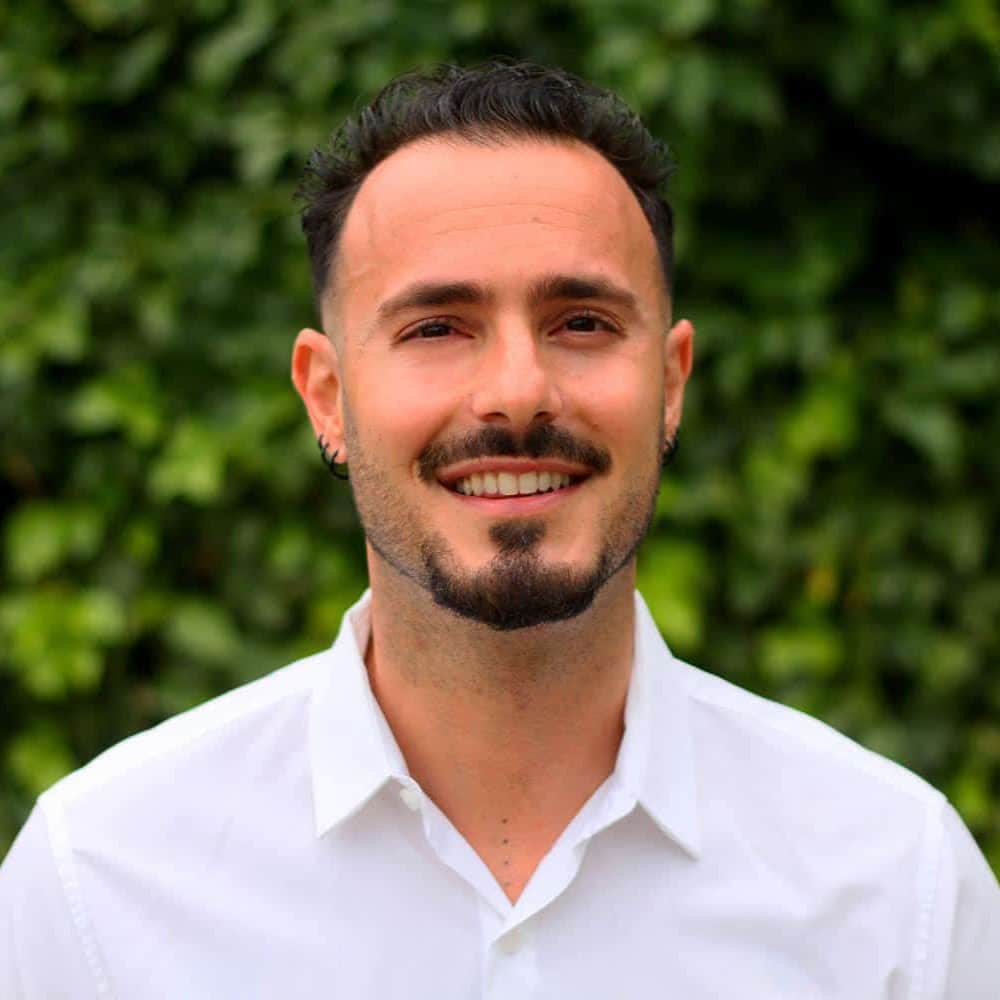
Dr. Nowzari brings a decade of clinical practice to the table. As a California-licensed chiropractor, he develops each care plan based on your individual medical history, symptoms, and goals to help you recover efficiently and live a pain-free life.
No. Cervicogenic headaches stem from problems in your cervical spine, while migraines are neurological. That said, they share symptoms like unilateral pain, and a clinical evaluation can distinguish between them and guide appropriate treatment.
A cervicogenic headache can last from a few hours to several days. Without treating the underlying neck dysfunction that’s triggering it, your headache could become chronic, making early care essential for a swift recovery.
Yes. Stress increases muscle tension around your neck, which puts additional load on surrounding joints and tissues. This aggravates the neck problem that triggers your headache.
Yes. A chiropractor can help relieve headaches linked to neck tension through gentle spinal adjustments, soft-tissue therapy, and posture correction tailored to your needs.
Yes. Whiplash injuries damage the joints and tissues around your neck, the symptoms of which can present up to a few days after your accident, even if you initially felt fine. Likewise, your cervicogenic headache may also appear later.
You don’t have to keep guessing about the origin of your pain. A personalized evaluation can identify whether you’re enduring a cervicogenic headache and map out a drug-free, nonsurgical path to recovery.
Don’t wait for your pain to resolve on its own. Dr. Bijan Nowzari at More Life Chiropractic offers headache and migraine treatment in Burbank, CA, using a precise combination of chiropractic adjustments, spinal decompression, myofascial release therapy, and more to help you regain the quality of life you’ve been missing.
Ready to receive results-driven care? Skip your search for a “chiropractor near me” and reach out to More Life Chiropractic. Dr. Nowzari, our trusted chiropractor in Burbank, will walk you through your options and answer your questions to help you confidently begin your recovery journey. Book a consultation today!